workplace design
Architecture Case Studies & Inspiration
Real-world architecture case studies featuring residential and commercial projects, design challenges, workflows, and construction insights.
Case studies exploring how digital workflows, real-time visualization, and technology transform commercial interior design from concept to delivery.
Commercial interior design is no longer driven only by aesthetics, layouts, and materials. Today, it is shaped by digital workflows, real-time collaboration, and data-driven design decisions. From early concept development to construction and delivery, technology has fundamentally changed how commercial interiors are designed, visualized, and executed.
This digital transformation is not about software alone. It is about speed, clarity, coordination, and confidence—helping teams reduce uncertainty, align stakeholders, and deliver complex projects under real-world constraints. Visualization, BIM-adjacent workflows, real-time rendering, and integrated construction models now play a central role in how commercial spaces are conceived and built.
The case studies below explore how architecture and interior design teams are using digital tools and workflows to transform commercial interiors—across workplaces, retail, large-scale developments, and enterprise environments.
Modern commercial interiors demand fast iteration and clear communication between architects, interior designers, clients, and contractors. Digital workflows enable teams to move seamlessly from concept to execution while maintaining design intent.
Projects such as From Concept Design to Construction with SketchUp demonstrate how integrated digital models support decision-making across every project phase—from early planning to on-site coordination. Similarly, Detailing Out an Efficient Design-Build Workflow shows how structured digital processes reduce friction between design and construction teams.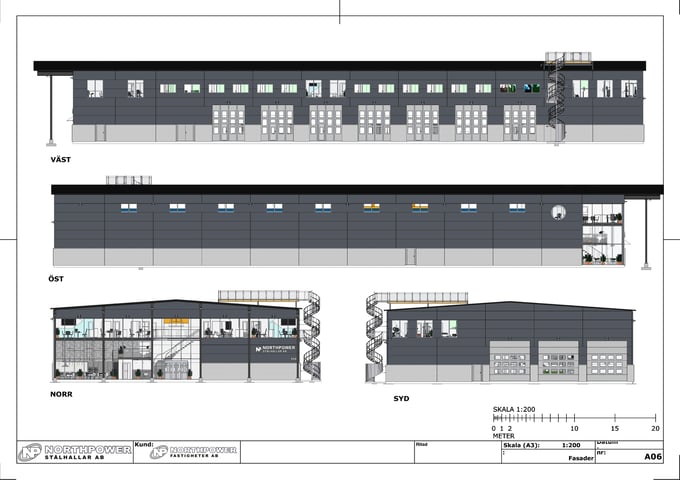
One of the most visible shifts in commercial interiors is the use of real-time visualization to communicate design intent clearly and early. Instead of static drawings or late-stage renders, teams now rely on interactive visuals to test ideas, validate layouts, and secure faster approvals.
Case studies like Design at Starbucks: Brewing the Right Stuff illustrate how digital visualization supports global brand consistency while allowing local adaptation. Meanwhile, The Positive Impact of Real-Time Visualization at M Moser Associates highlights how real-time tools help clients understand spatial decisions before construction begins.
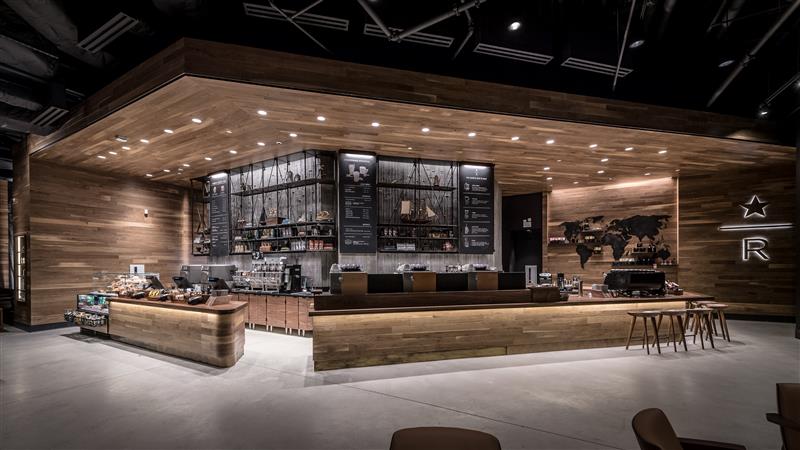
Large commercial projects require coordination across multiple disciplines, locations, and stakeholders. Digital transformation enables teams to manage complexity without losing control over quality or timelines.
Projects such as A Constructible Model with M Moser Associates and See How SketchUp Facilitates the Build-Out of a 14-Acre Campus for Biological Science show how constructible digital models support large-scale planning, phasing, and execution. These workflows reduce risk by identifying conflicts early and providing a shared source of truth for all project participants.
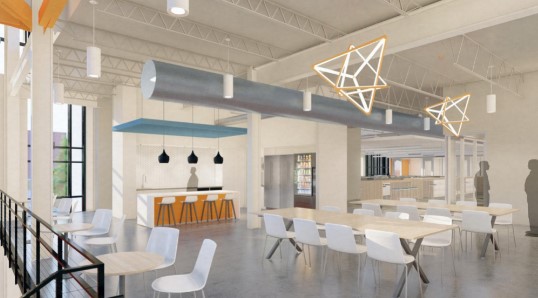
Digital transformation in commercial interiors is successful only when technology serves design intent—not the other way around. Tools such as visualization platforms, construction-aware modeling, and data-driven workflows must support creativity while improving efficiency and accuracy.
Case studies like Using Trimble Technology to Streamline Architecture Projects and Using 3D Design Visualization Tools with Jacobs demonstrate how technology becomes an invisible enabler—helping teams focus on solving spatial, functional, and operational challenges rather than managing software complexity.
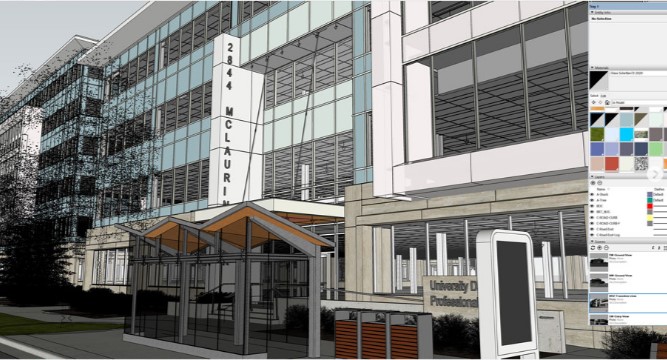
Sustainability is increasingly embedded in commercial interior projects, and digital workflows play a key role in evaluating performance early in the design process. Data-rich models allow teams to explore material choices, energy strategies, and construction methods before committing on site.
Delivering Affordable Net-Zero Energy Housing shows how digital planning supports sustainability goals while remaining commercially viable—an approach that is becoming increasingly relevant across workplace and mixed-use developments.
Digital transformation in commercial interiors does not exist in isolation. It is part of a broader shift in architectural practice toward integrated, transparent, and collaborative workflows.
For a wider view of how real-world projects are evolving across residential, commercial, and institutional contexts, explore the main hub:
Digital tools are reshaping how commercial interiors are designed, communicated, and delivered—but the real transformation lies in how teams think, collaborate, and make decisions. The projects above demonstrate that when technology is applied strategically, it enables better design outcomes, clearer communication, and more resilient workflows.
Real-world architecture case studies featuring residential and commercial projects, design challenges, workflows, and construction insights.
Northpower Stålhallar is a construction company based in Stockholm, Sweden that specializes in warehouse construction.
Why construction-level joinery detail in 3D models increases client trust and confidence in interior design projects.