Large-scale architectural and interior projects demand more than creative vision. When organizations operate across multiple locations, tight schedules, and complex stakeholder structures, design becomes a system—one that must connect strategy, technology, and construction into a single, reliable workflow.
This page explores how enterprise-level architecture and interior design projects are planned, coordinated, and delivered—from early concept through construction and real-time decision-making. The case studies and workflows here focus on scalability, collaboration, and clarity at every stage of the process.
Designing for Scale and Organizational Complexity
Enterprise projects introduce challenges that do not exist in smaller commissions: global teams, evolving requirements, and the need for consistency across dozens—or even thousands—of spaces. These challenges are evident in projects like Design at Starbucks: Brewing the right stuff, where design systems must support brand identity while remaining flexible enough to adapt to local contexts.
Similarly, The digital transformation in commercial interiors by Steelcase shows how furniture design, digital tools, and data-driven decision-making converge to support modern workplace strategies at scale. In these environments, design workflows are no longer linear—they are iterative systems that must respond quickly to change.
From Concept to Constructible Models
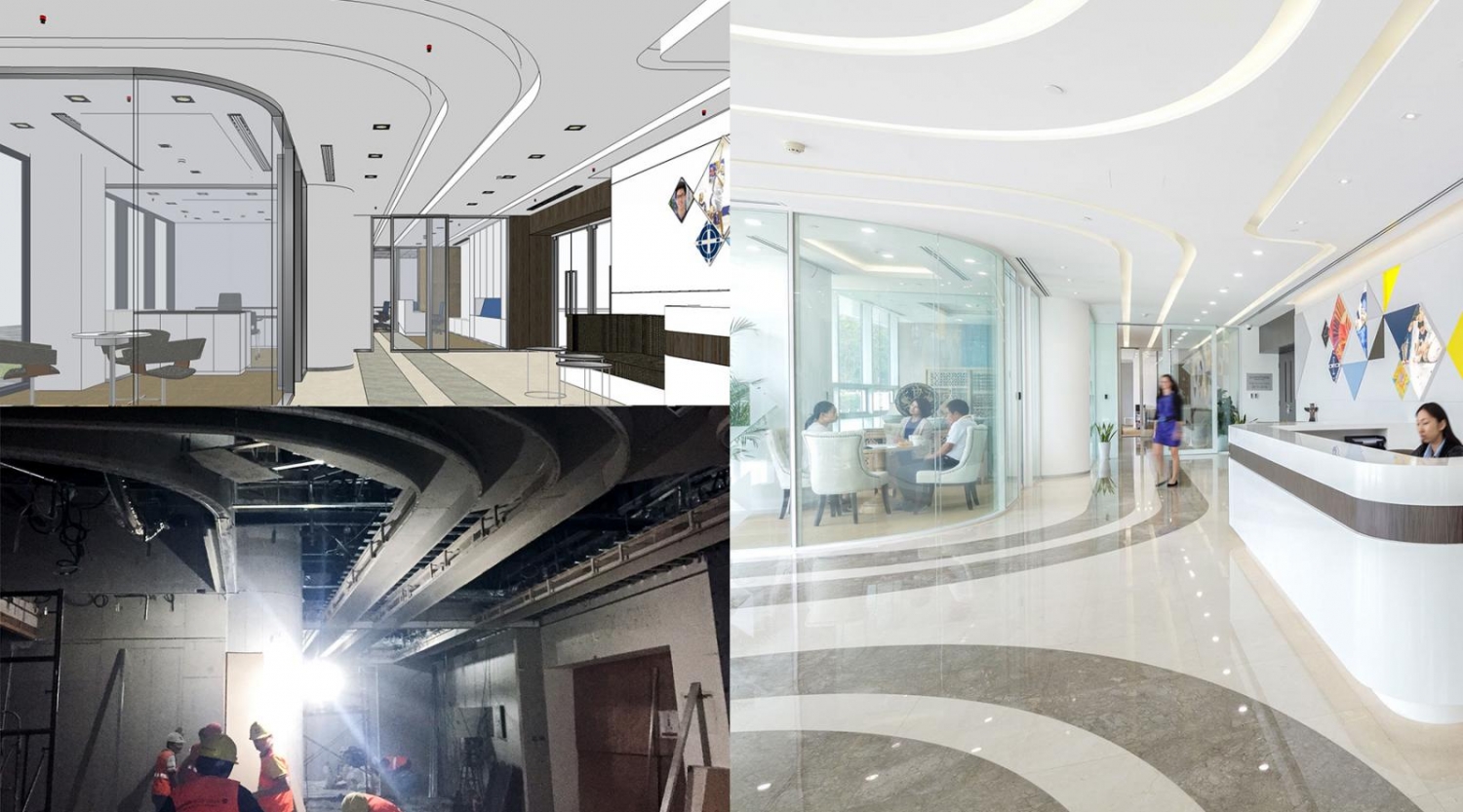
In enterprise architecture, the transition from design intent to buildable solutions is critical. Articles such as From concept design to construction with SketchUp and A Constructible Model with M Moser Associates demonstrate how constructible digital models help teams reduce uncertainty, align stakeholders, and move seamlessly from early design to execution.
This approach becomes even more essential in complex environments like healthcare, infrastructure, and research facilities. Building a 14-Acre Science Campus with SketchUp illustrates how large-scale planning benefits from shared digital models that coordinate architecture, engineering, and construction teams around a single source of truth.
Real-Time Visualization as a Decision-Making Tool
Visualization is no longer just a presentation layer—it is a core part of enterprise decision-making. In The Positive Impact of Real-Time Visualization at M Moser, real-time tools enable faster alignment between designers, clients, and contractors, reducing costly revisions later in the process.
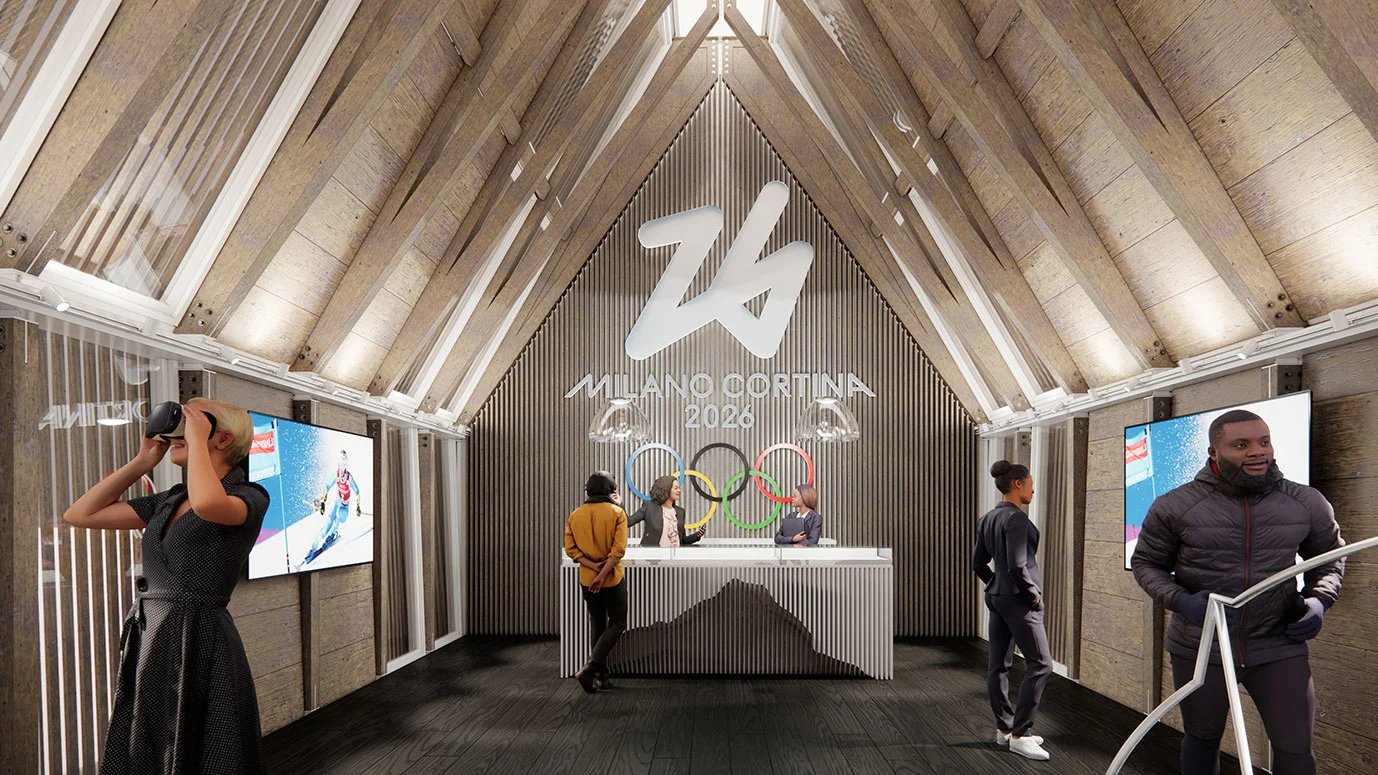
The same principle applies beyond offices. Using Real-Time Visualization in Exhibition & Events with Henoto shows how temporary, high-impact environments rely on rapid visualization to validate ideas under extreme time constraints. Meanwhile, Real-time archviz helps Scenario Architecture win clients highlights how visualization can directly influence business outcomes by supporting confident, informed client decisions.
Coordinating Teams, Data, and Technology
Enterprise workflows depend on seamless coordination between people and tools. Articles like Using Trimble technology to streamline architecture projects and Using 3D design visualization tools with Jacobs explore how point clouds, shared data environments, and visualization platforms integrate into large, multidisciplinary teams.
Precision also matters at the detail level. Drilling down to the architectural details with Lund+Slaatto demonstrates how high-quality detailing can coexist with fast-paced delivery when workflows are structured correctly. This balance between speed and accuracy is a defining characteristic of mature enterprise design systems.
Workplace and Commercial Design Systems
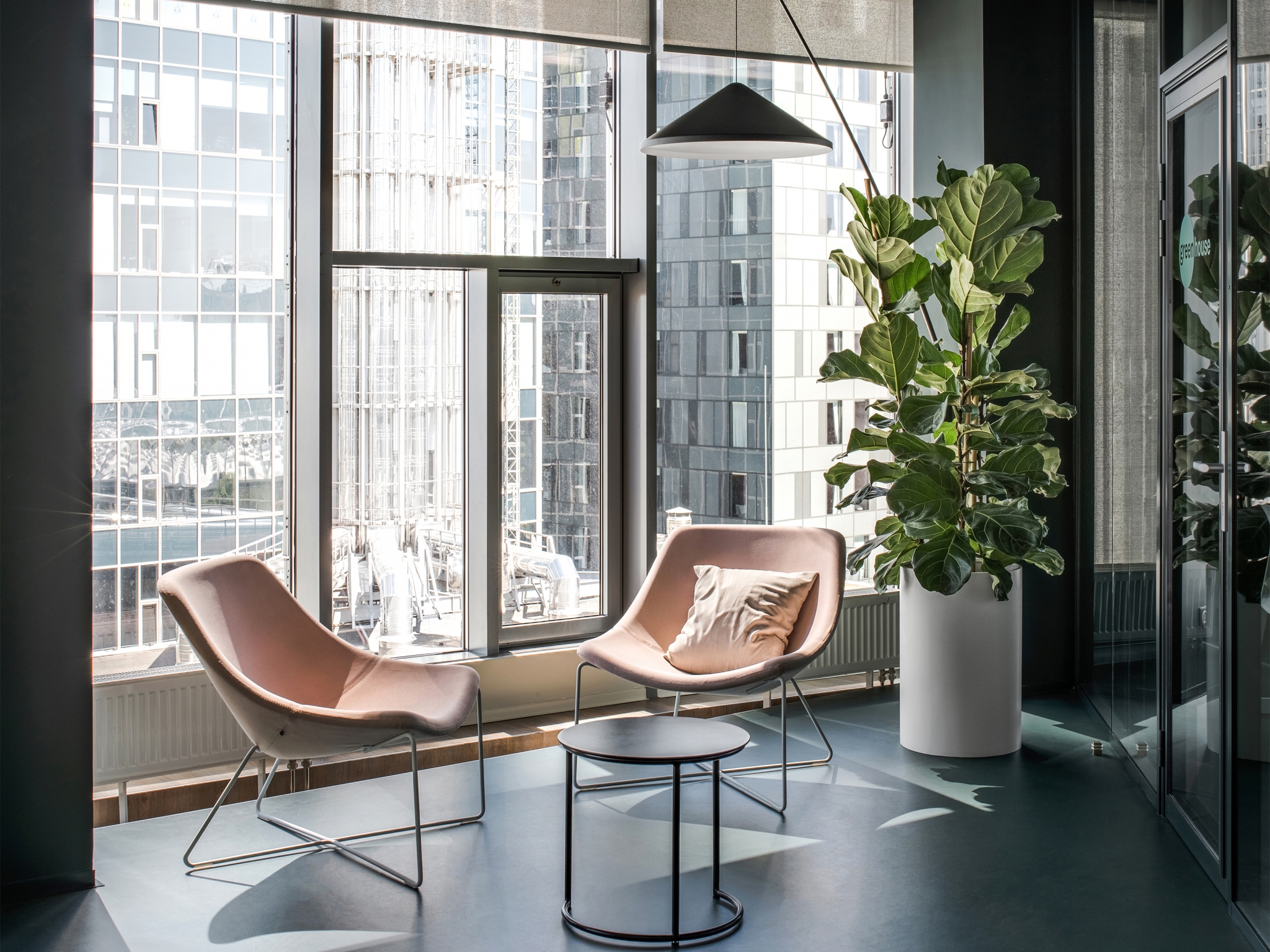
Workplace design sits at the intersection of architecture, interiors, and organizational strategy. Designing Innovative Workplace Interiors with 3DEA Bulgaria and Workplace Furniture Design: the Danish Way reveal how furniture systems, spatial planning, and brand values come together in scalable workplace environments.
Enterprise offices also demand careful consideration of acoustics, collaboration, and user experience. See the Grammarly Office in Kyiv shows how complex functional requirements can be translated into a cohesive spatial system that supports both culture and performance.
Workflow Optimization Across the Project Lifecycle
Efficiency in enterprise projects is not about shortcuts—it is about well-structured processes. Detailing out an efficient design-build workflow illustrates how integrated workflows reduce friction between design and construction, while How ALL In Studio use SketchUp to Create Unique Personal Spaces demonstrates how even highly customized environments can benefit from disciplined, repeatable processes.
Together, these case studies highlight a common theme: successful enterprise design is built on workflows that scale without losing clarity, quality, or intent.
A Foundation for Enterprise-Grade Design Delivery
Enterprise Design & Construction Workflows are about more than tools or techniques. They represent a way of thinking—one that treats design as a collaborative system capable of supporting complexity, growth, and long-term value.
The articles connected to this page provide real-world insight into how leading teams manage scale, integrate technology, and deliver projects that perform as well as they look. Whether you are working on corporate interiors, infrastructure, or large institutional environments, these workflows form the backbone of professional, enterprise-grade design practice.